
By Nafiso Ahmed
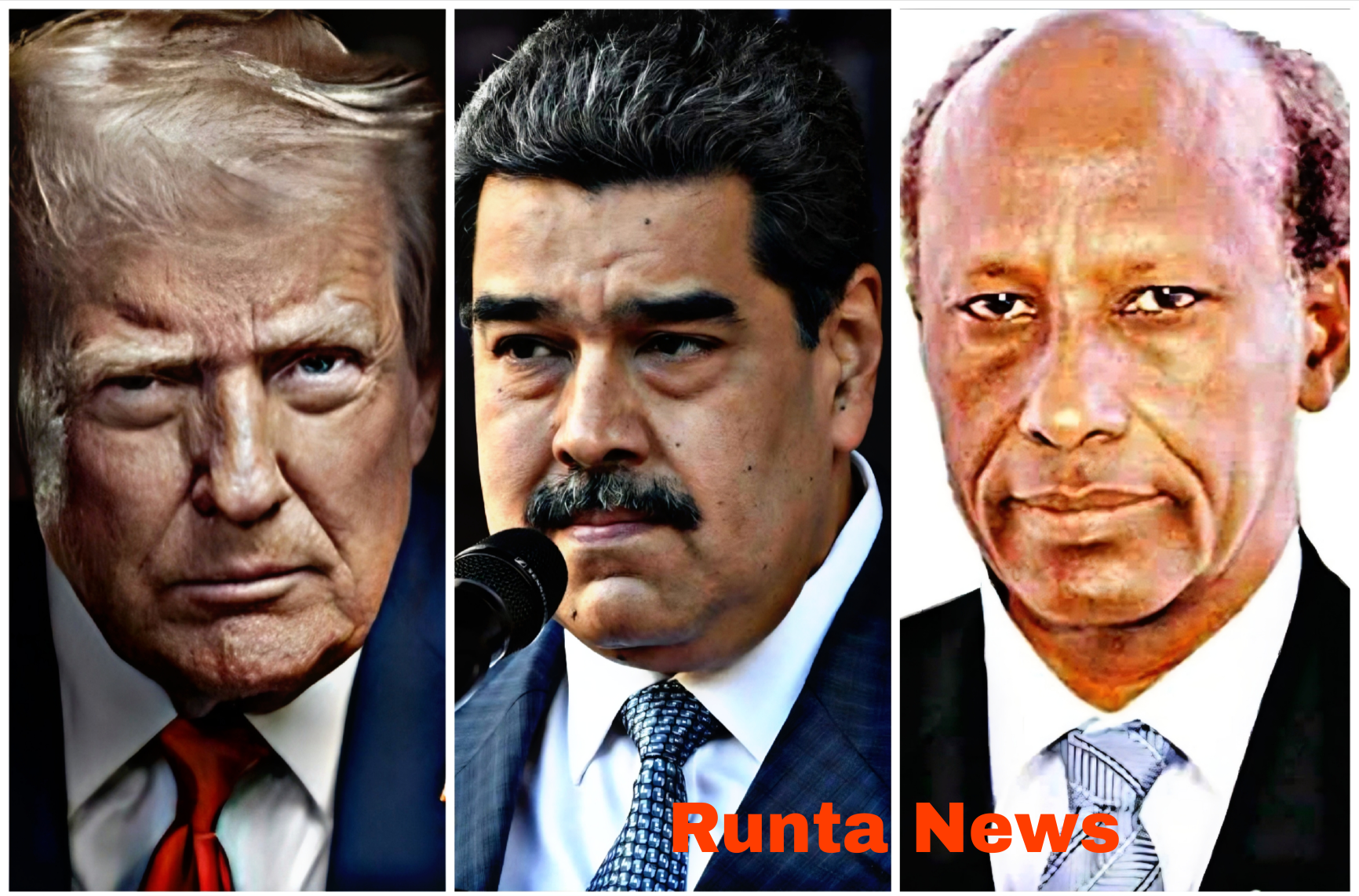
After months of increasing U.S. pressure on Venezuela, President Donald Trump ordered a military operation that captured Nicolas Maduro and brought him to the United States. This has created a new uncertain situation and raises questions about the role and limits of U.S. military intervention. While Maduro is no longer in charge, the country now faces difficult questions about leadership, stability, and how to rebuild its institutions.
Venezuela now faces urgent challenges related to governance, legitimacy, and democratic recovery. It’s unclear who will take charge, how the government will be rebuilt, and whether Venezuela can move toward a stable and fair political system after years of economic collapse and weak institutions. Like Somalia in 1993, where the United States’s attempt to capture General Mohamed Farah Aideed ended in disaster.
Restoring trust in government institutions will be difficult. New leaders will need support from many political groups and clear plans for fair elections. Without these, Venezuela could face continued instability or rival governments. The events in Somalia demonstrate that military action does not automatically lead to political stability.
In a recent expert briefing on the situation at American Community Media (ACoM), three speakers discussed the consequences of Maduro’s capture and what comes next. Mariano de Alba, a Venezuelan geopolitics lawyer specializing in international law and diplomacy, focused on the legal and diplomatic implications of removing a head of state through military action. Alejandro Velasco, A Professor of Latin American History at New York University, provided historical context, explaining how Venezuela’s long institutional decline affects its chances of recovery. Roxanna Vigil, an international affairs fellow at the council on foreign relations, discussed the American perspective, including U.S. strategic interests, how sanctions will be handled moving forward, and concerns about oil, drug trafficking, and regional stability. The discussion highlighted how Venezuela’s crisis involves not only internal political struggles but also major U.S policy decisions.
The U.S operation has also raised questions in Washington. On Thursday, the senate advanced a bipartisan measure to block trump from taking further military action in Venezuela without congress’s approval. The vote was 52-47, with five republicans joining all democrats. This is one of the first times congress has tried to limit Trump’s military authority during his second term. While Trump supports long-term U.S involvement in Venezuela, the senate move shows concern about unchecked use of military force.
Venezuela is now at a crossroads. Who leads next and how the government is rebuilt will determine if the country stabilizes or faces more conflict. The U.S. mission in Somalia in 1993, shows that military action is not enough to create lasting political stability. Venezuela’s future will require careful planning and cooperation among political groups.
Nafiso Ahmed, an aspiring political science major with an interest in law and journalism, lives in Columbus, Ohio. Nafiso also represents Runta News at the weekly briefing of American Community Media (ACoM) where issues like this are discussed every Friday to brief local and ethnic media by expert panels.